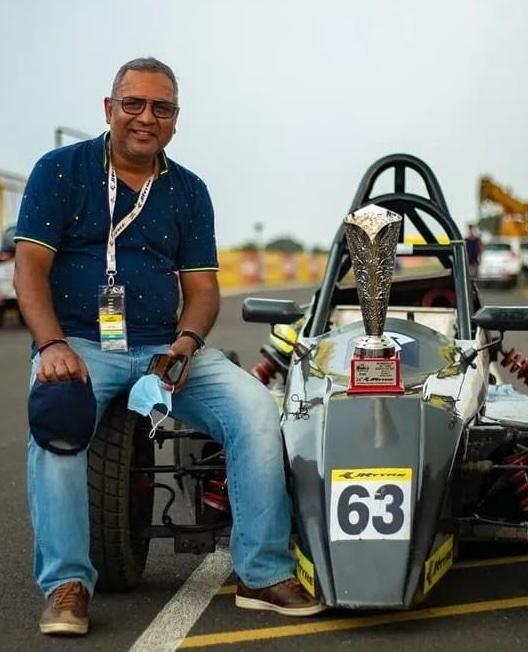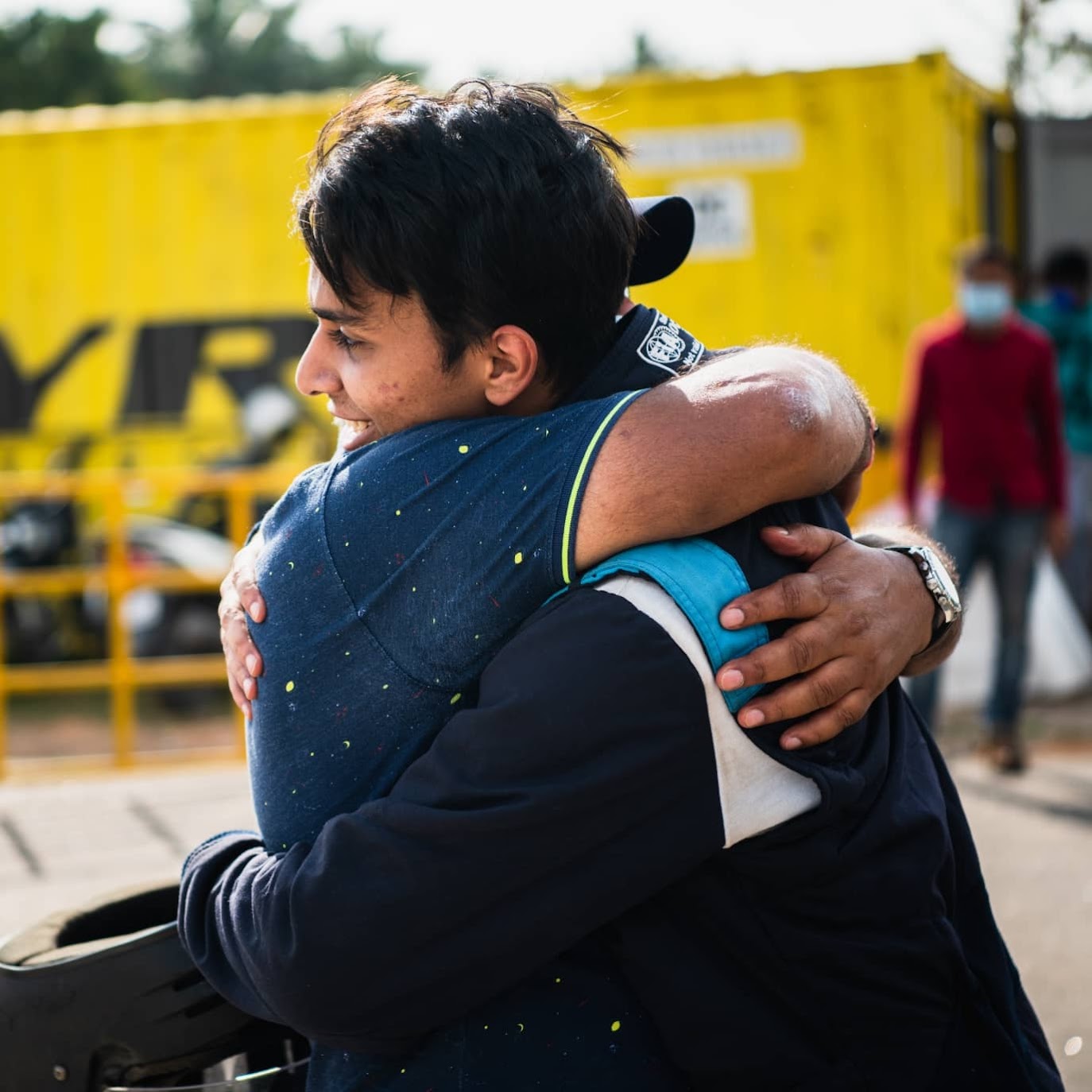
While it is uncommon to have a sportsperson in the family, it is typically a privilege experienced by the wealthiest and the poorest. The dreams of the middle class are often crushed between the opportunities afforded to those on both ends of the economic spectrum. The rich have the resources to fund the development of a sports legend, while the poor receive support from a variety of sources to aid their athletic journey.
(Background : As a middle-class family, our primary focus is on education, with all other aspirations taking a backseat. We strive to achieve our dreams and make ends meet with our monthly salaries.)
When my five-year-old son declared his ambition to become a professional driver, a wave of mixed emotions washed over me. On one hand, I was overjoyed that he had discovered his passion at such a young age and was ready to chase an unconventional dream. The thought of him forging his own unique path filled me with immense pride.
However, a gnawing worry also took root in my mind. I was acutely aware of the high costs associated with professional driving, especially in the realm of motorsports. The expenses for specialized training, top-of-the-line equipment, vehicle maintenance, and extensive travel could be astronomical. I was afraid that my financial resources wouldn't be sufficient to support his dreams fully, and that this could eventually lead to resentment and disappointment.
Determined to support him to the best of my ability, I started saving diligently for his training and eventual launch into the racing world. By the time he turned 12, I had enrolled him in the most prestigious Kart racing program in the country. The initial costs were manageable, covering basic training, kart rental, and entry fees for local races.
As he progressed in the sport and began to show real promise, the costs escalated rapidly. Travel expenses, entry fees, and accommodation for regional and national races became increasingly expensive. He also needed advanced coaching and specialized training, which came at a premium price. To add to the financial burden, we had to invest in equipment and safety gear as he moved up the ranks.
Initially, races and tournaments were scheduled strategically during school holidays or on weekends so they wouldn't disrupt his studies. However, as his racing career gained momentum, we had to make tough choices to balance his education with his aspirations. When he reached crucial academic milestones like 10th and 12th grades, we prioritized board exams over race training and tournaments. This inevitably caused him to fall behind his peers in terms of racing progress, as they were able to dedicate more time and resources to the sport.
Recognizing the need to bridge the gap between his passion and his education, we enrolled him in a Sports Management program for his undergraduate studies and a certificate program in Motorsports management. While he lagged behind his colleagues on the racetrack due to the time he had to devote to his studies, he excelled in his academic program, demonstrating a keen understanding of the business side of motorsports.
We continued to support him in both racing and college, both financially and emotionally. However, looking back, we can't shake the feeling that our prioritization of education over racing during crucial developmental years significantly impacted his overall development as a racer. Perhaps, if we had been able to find a better balance between the two, he could have reached even greater heights in the sport.